

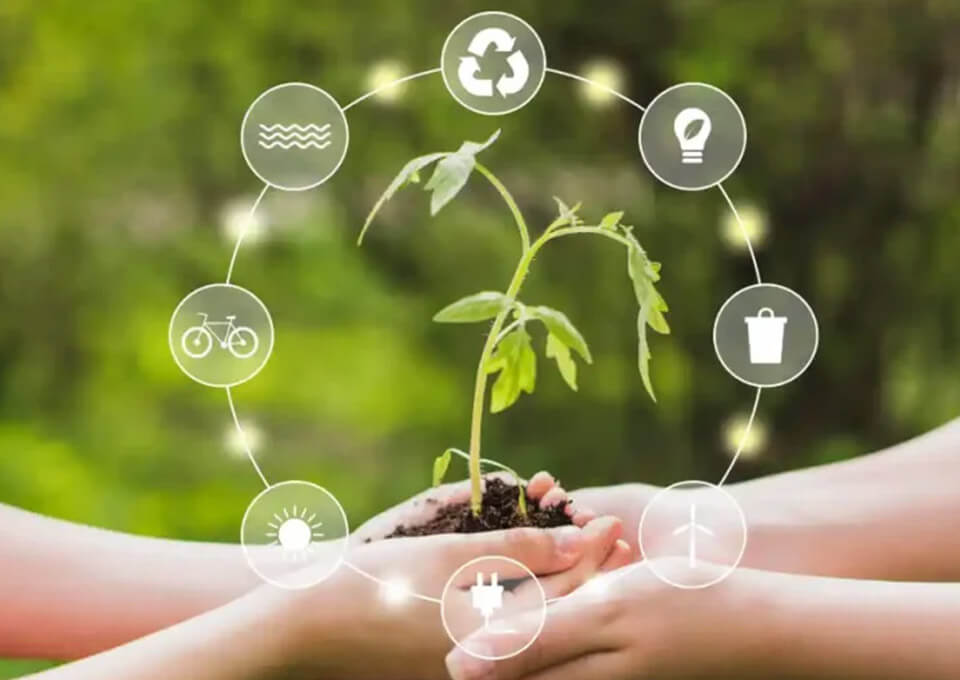
For decades, the worlds of property development and environmentalism were often seen as being in conflict. Development was about concrete, steel, and expansion, while environmental responsibility was about conservation and preservation. Today, that old way of thinking is not just outdated; it is financially irresponsible. Integrating environmental responsibility into development is no longer a niche interest or a “nice-to-have” for corporate social responsibility reports. It has become a core driver of long-term asset value, operational efficiency, and brand reputation.
Modern developers and investors understand that a building’s performance is not just measured by its rental income but also by its energy consumption, its water usage, and its impact on the surrounding ecosystem. A sustainable building is a more resilient, more efficient, and more desirable asset. It costs less to operate, attracts higher-quality tenants, and is better insulated from future regulatory risks and rising energy prices.
This article will explore the practical ways that environmental responsibility can be woven into the fabric of property development, from initial site selection to long-term operations. Using real-world examples from the Apavou Group’s work in Mauritius, we will demonstrate how a deep commitment to Apavou CSR principles creates stronger communities and more profitable, future-proofed assets.
The Business Case for Green Development
The first step in integrating environmental responsibility is to understand that it is not just an ethical choice; it is a smart business decision. The financial benefits of sustainable development are clear and measurable, creating a compelling case that appeals to investors, developers, and tenants alike.
Lower Operating Costs and Higher Efficiency
One of the most direct financial benefits of sustainable design is a significant reduction in operating expenses. Green buildings are designed from the ground up to be more efficient. This includes:
- Energy Efficiency: Using high-performance insulation, energy-efficient windows, LED lighting, and smart HVAC systems can dramatically reduce a building’s electricity consumption. For a large commercial building, this can translate into millions of dollars in savings over the life of the asset.
- Water Conservation: Incorporating low-flow fixtures, rainwater harvesting systems, and water-efficient landscaping can lower water usage by 30-50%. This not only reduces utility bills but also lessens the strain on local municipal water supplies, a critical issue in many island nations like Mauritius.
- Waste Reduction: A focus on recycling construction materials and implementing comprehensive waste management programs for tenants can reduce landfill fees and create additional revenue streams from recycled materials.
These operational savings flow directly to the bottom line, increasing the net operating income (NOI) of the property and, therefore, its overall valuation.
Enhanced Asset Value and Marketability
Sustainable buildings are increasingly commanding a “green premium” in the marketplace. They are more attractive to a growing cohort of tenants and buyers who prioritize environmental responsibility. Corporate tenants, in particular, are often willing to pay higher rents for space in certified green buildings because it helps them meet their own corporate sustainability goals and provides a healthier environment for their employees.
This increased demand leads to higher occupancy rates, lower tenant turnover, and stronger rental growth. When it comes time to sell the asset, a building with a proven track record of low operating costs and a strong green certification is a more attractive and less risky investment, commanding a higher sale price.
The Planning and Design Phase: Setting the Foundation
True environmental responsibility cannot be bolted on as an afterthought. It must be integrated from the earliest stages of project conception, the planning and design phase. Decisions made at this stage have the most significant impact on a building’s long-term environmental performance.
Intelligent Site Selection and Land Use
Sustainable development begins before a single shovel breaks ground. It starts with choosing the right location. This means prioritizing infill development on previously used land over sprawling into pristine natural habitats. It involves selecting sites that have access to public transportation, reducing the future tenants’ reliance on single-occupancy vehicles.
In a place like Mauritius, with its unique and fragile ecosystems, responsible land use is paramount. The Apavou Group’s strategy often involves identifying underutilized or brownfield sites and revitalizing them, turning neglected areas into productive community assets. This approach preserves untouched green spaces while concentrating development in areas that are already served by existing infrastructure.
Passive Design Strategies
Before turning to expensive technologies, the most effective green designs leverage passive strategies that work with the natural environment. These ancient techniques use a building’s orientation, form, and materials to minimize the need for active mechanical systems.
- Building Orientation: Orienting a building to control its exposure to the sun can dramatically reduce cooling loads. In a tropical climate like Mauritius, minimizing direct sun exposure on east and west-facing walls during the hottest parts of the day is crucial.
- Natural Ventilation: Designing for cross-ventilation allows cool breezes to flow through a building, reducing the need for air conditioning.
- Daylighting: Using large windows, skylights, and light shelves to bring natural light deep into a building reduces the need for artificial lighting and creates a more pleasant indoor environment.
The design of a modern building like The Cube incorporates many of these passive principles, using advanced glazing and shading systems to maximize natural light while minimizing solar heat gain, creating a workspace that is both energy-efficient and inspiring.
Sustainable Construction Practices
The construction process itself has a massive environmental footprint, from the carbon embodied in the building materials to the waste generated on-site. A key part of an Apavou CSR strategy is to mitigate this impact through smarter construction practices.
Choosing Low-Impact Materials
The materials used to construct a building have a significant impact on its overall environmental footprint. A responsible developer prioritizes:
- Locally Sourced Materials: Using materials sourced from nearby quarries and manufacturers, such as those available in Mauritius, reduces the carbon emissions associated with transportation.
- Recycled Content: Specifying materials with high recycled content, such as recycled steel or concrete aggregates, reduces the demand for virgin resources.
- Sustainably Harvested Wood: Ensuring that all wood products come from forests certified by the Forest Stewardship Council (FSC) or a similar body helps to combat illegal logging and deforestation.
Apavou Mauritius actively works with its supply chain to prioritize these sustainable materials, ensuring that the environmental impact is considered for every component of the building.
Construction Waste Management
Construction and demolition projects are a major source of landfill waste. A proactive waste management plan is essential for minimizing this impact. This involves setting up on-site sorting systems to separate materials like wood, metal, drywall, and concrete for recycling. By setting clear targets for waste diversion, a project can divert more than 75% of its construction waste from the landfill. This not only benefits the environment but can also reduce disposal costs.
Integrating Green Principles into Different Asset Classes
Environmental responsibility is not a one-size-fits-all concept. The strategies must be tailored to the specific needs and functions of different types of properties.
Commercial Buildings: The Pursuit of Efficiency
For commercial office buildings like The Cube, the primary focus is on energy efficiency and indoor environmental quality. A healthy, comfortable, and productive work environment is a major selling point for corporate tenants. This involves investing in state-of-the-art HVAC systems with advanced air filtration, using low-VOC (volatile organic compound) paints and finishes to improve air quality, and providing tenants with individual control over lighting and temperature. These features not only reduce the building’s environmental impact but also have been shown to improve employee productivity and reduce absenteeism.
Retail Centers: Community and Connectivity
For a retail center like Plaisance Mall, environmental responsibility extends to its role within the community. Sustainable design in this context means creating a space that is easily accessible by public transport and integrated with pedestrian and bicycle networks. It involves creating inviting public spaces, using native landscaping to reduce water demand, and managing stormwater runoff to protect local waterways. The goal is to create a community hub that enhances the local environment rather than detracting from it. The mall’s operations also focus on partnering with tenants to implement comprehensive recycling programs for shoppers.
Residential Developments: Building Sustainable Communities
In residential projects, the focus is on creating healthy, efficient, and durable homes. For a master-planned community like Terre d’été, this means thinking at a neighborhood scale. The design incorporates extensive green spaces and parks, which help to manage stormwater, reduce the urban heat island effect, and provide recreational amenities for residents. The homes themselves are designed with energy and water efficiency in mind, lowering the cost of living for families. By building a community that is walkable and connected, the design encourages a healthier, lower-impact lifestyle.
The Role of Technology and Innovation
Technology is a powerful enabler of environmental responsibility in development. From smart building systems to renewable energy, innovation is constantly providing new tools to create more sustainable assets.
Smart Building Management Systems
Modern buildings can be equipped with sophisticated Building Management Systems (BMS) that act as the central nervous system for the property. These systems use a network of sensors to monitor and control lighting, heating, cooling, and ventilation in real-time. A smart BMS can automatically adjust settings based on occupancy, time of day, and even the weather forecast, optimizing energy use without sacrificing comfort. This level of granular control can achieve energy savings of 15-20% compared to a traditionally managed building.
On-Site Renewable Energy Generation
One of the most impactful ways to reduce a building’s environmental footprint is to generate its own clean energy. The falling cost of solar panels has made on-site solar generation a financially viable option for many new developments. Large, flat rooftops on commercial and retail buildings are ideal locations for solar arrays. The clean energy generated can be used to power the building’s operations, reducing its reliance on the grid and providing a hedge against future electricity price increases. The Apavou Group is actively exploring and implementing renewable energy solutions across its portfolio to further its commitment to a low-carbon future.
Beyond the Building: Corporate Social Responsibility in Action
True environmental responsibility extends beyond the physical boundaries of a property. It involves engaging with the community, promoting environmental education, and contributing to the ecological health of the wider region. This is the essence of the Apavou CSR philosophy.
Community Engagement and Education
A sustainable building is only as effective as the people who use it. Engaging with tenants and residents to educate them about the building’s green features and how they can contribute to its performance is crucial. This can include providing information on recycling programs, tips for conserving energy and water, and updates on the building’s environmental performance. By fostering a culture of sustainability, a developer can turn a building’s occupants into active partners in its environmental mission.
Supporting Local Conservation Efforts
A responsible developer recognizes that they have a role to play in protecting the natural heritage of the region in which they operate. In Mauritius, this means supporting local conservation initiatives aimed at protecting the island’s unique biodiversity, restoring native forests, and preserving its coral reefs. This can take the form of direct financial contributions, employee volunteer programs, or partnerships with local environmental NGOs. This commitment demonstrates an understanding that the long-term success of the business is inextricably linked to the health of the natural environment.
Building a Resilient and Responsible Future
Integrating environmental responsibility into development is a journey, not a destination. It requires a holistic approach that touches every aspect of a project’s lifecycle, from the first sketch on a napkin to the long-term operation of the asset. It is about making smart, data-driven decisions that deliver a “triple bottom line” of benefits: for the planet, for people, and for profit.
By embracing sustainable design, leveraging new technologies, and fostering a deep culture of corporate social responsibility, developers can create assets that are not only profitable but also positive contributors to their communities and the environment. The work of the Apavou Group in Mauritius, from efficient commercial spaces like The Cube and community-focused retail at Plaisance Mall to sustainable living at Terre d’été, shows that building a better, greener future is not just possible; it is the only path forward. It is the foundation upon which a truly lasting legacy is built.
 Previous Post